Blog
Feb 3, 2025
What's the Difference Between Wholesale, Retail, & Direct Traffic?
If you’ve checked out our International Voice Report, you probably noticed that the data carefully...

If you find yourself questioning the difference between traffic and bandwidth, here's an analogy that will help.
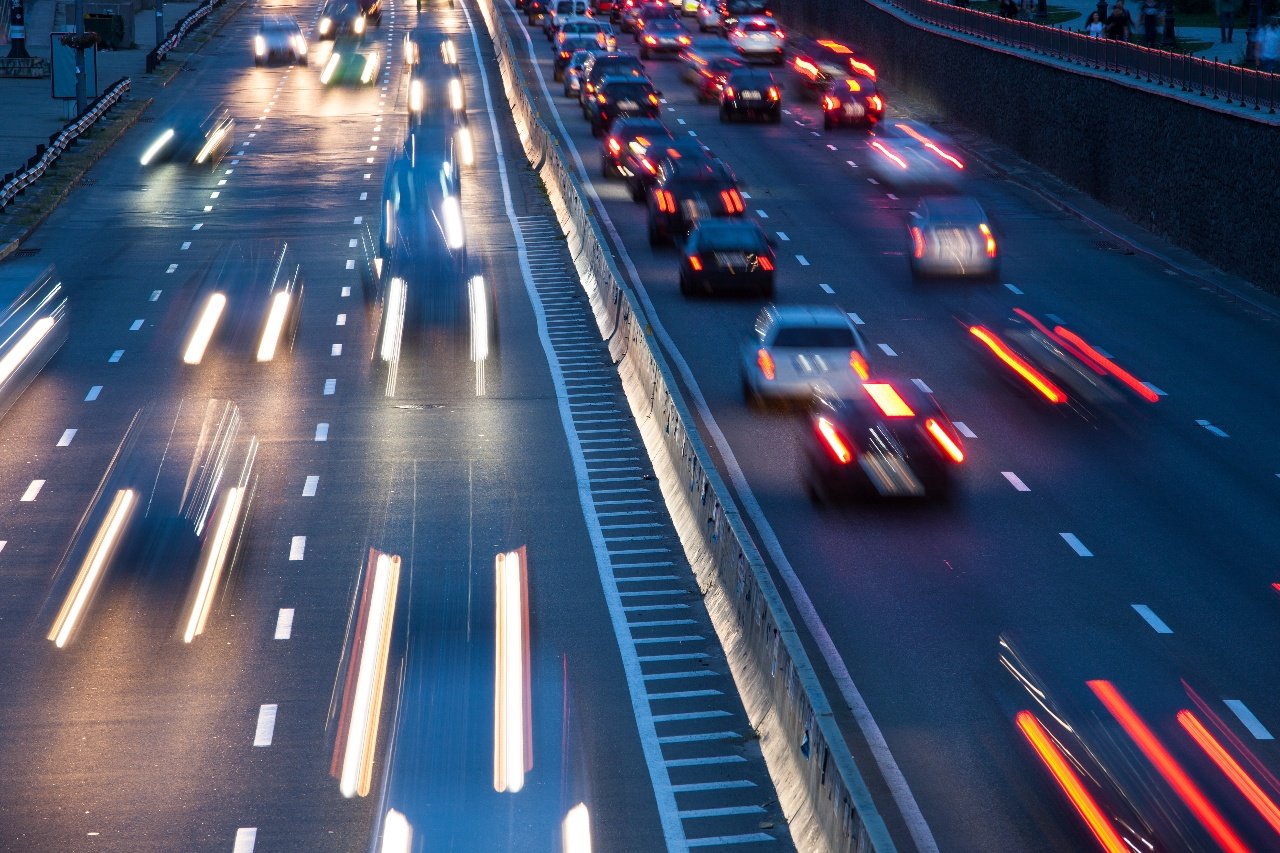
Imagine a busy highway.
Brake lights are twinkling and horns are honking as automobiles trickle bumper-to-bumper down the road.
If you've ever commuted to work in a heavily populated area or driven to the beach on a holiday weekend, you're familiar. But bear with me.
How many lanes does this imaginary highway have? For this example, let's say there are four.
These four lanes are the bandwidth.
And the cars are—you guessed it—the traffic.
If you added two additional lanes (more bandwidth), what would happen? The highway could allow more cars to travel at the same time.
And if you reduced the number of lanes down to just two? You'd get a traffic jam, a minivan full of fussy children, and a very frustrated parent threatening to turn the car around and scrap this year's beach trip.
You need sufficient bandwidth to ensure you arrive on time.
Bandwidth determines how much traffic can pass through.
In short, bandwidth determines how much traffic can pass through. More bandwidth can accommodate more traffic.
If this was helpful, you might like our explainers on:

Feb 3, 2025
If you’ve checked out our International Voice Report, you probably noticed that the data carefully...
Feb 6, 2026
Broadly speaking, telecom service providers have two ways of connecting traffic to a destination telco....
Jul 10, 2017
According to NASA, light travels at a constant, finite speed of 186,000 mi/sec. So the speed of light...