No. This effect has nothing to do with a big parade.
The trombone effect, or just "tromboning," attempts to categorize the curious, latency-causing path information might travel due to the hub-and-spoke nature of the internet.
What is the Trombone Effect?
In short, information doesn't always travel in a straight line. When content is hosted far away— even if produced within the building across the street—it will need to travel the exhaustive path to those faraway servers and back.
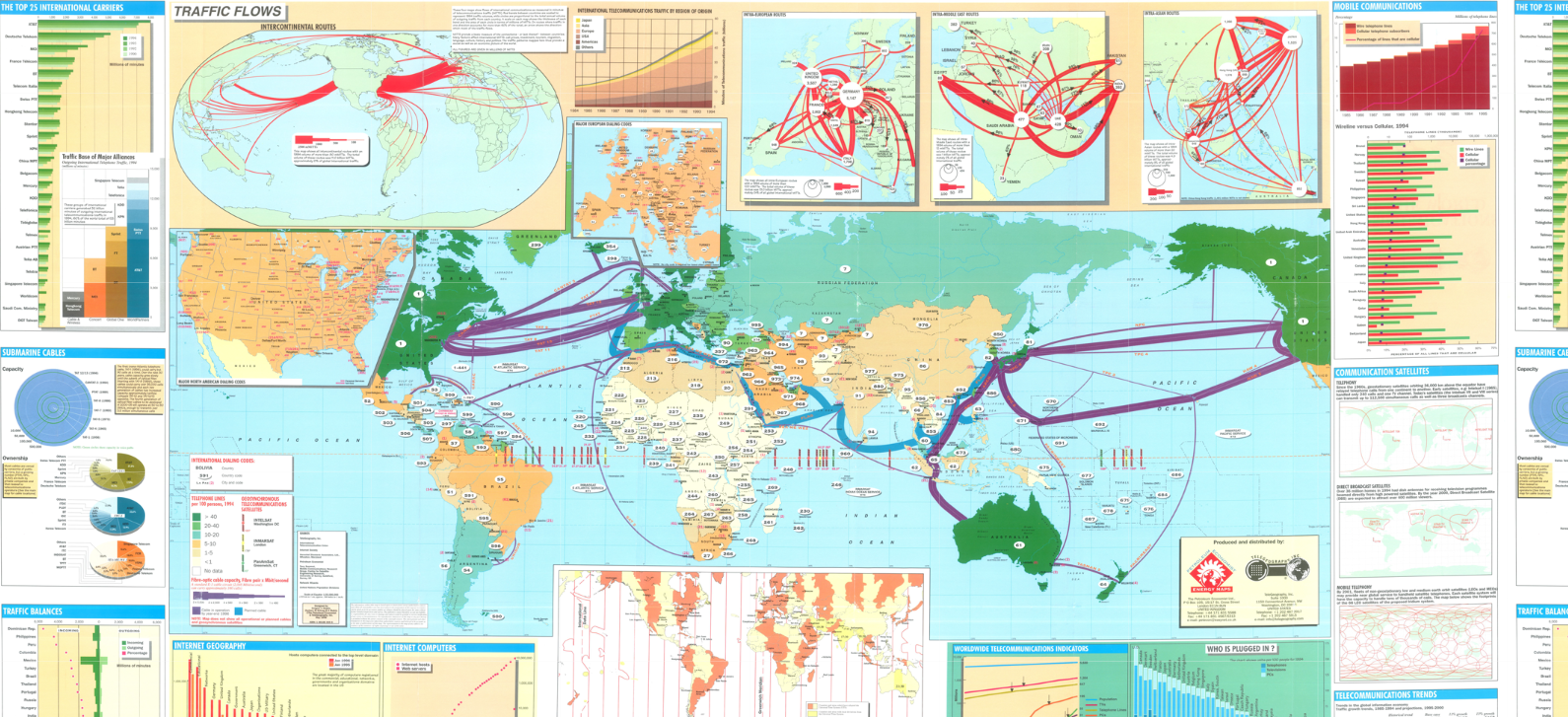
There's a great example of the trombone effect in a recent story about the local exchange of content in Africa. Sub-Saharan Africa has few data centers. Instead, many content providers in Africa host their content abroad because the cost is much lower.
This content must still be delivered to Africa using international internet transit links. When most traffic is routed through Europe, even that website for a business down the street, it travels the trombone-like path in and out of Africa.
Why is tromboning a problem?
Unfortunately, this circuitous journey increases the end-user's latency. This phenomenon is worthy of the sound produced by its namesake.
Latency might be tromboning's primary downside, but this effect has been known to consume unnecessary bandwidth and create a single point of failure.
While the increase in submarine cables has significantly improved global network connectivity and reduced latency for international traffic, it hasn't totally eliminated network tromboning. It still happens.
The trombone effect occurs when traffic is unnecessarily routed through distant centralized points, even if a more direct path exists. More cables provide more potential direct paths for international traffic, but it doesn't automatically change internal routing policies within networks or between interconnected networks within a region.
There's also geography to consider. Tromboning can happen within a country or region, where traffic might be routed inefficiently before it even reaches an international submarine cable or lands in another country before reaching its final destination.